Blockchain
Blockchain is the technology behind digital assets, enabling transactions and data to be recorded across decentralized networks. Learn how blockchain works, why it matters and how it supports cryptocurrencies, smart contracts and Web3 applications.
Total Articles
168
TENET: Maximizing Yield With Diversified Staking
Tenet is a Layer 1 EVM-compatible blockchain running on the Cosmos SDK which uses the Diversified Proof of Stake (DiPoS) model that lets LSD holders become validators by staking across a basket of assets.
Legion Network (LGX): The Rise of the Blockchain Super App
Legion Network is a super app that provides an all-in-one user experience with a robust selection of easy-to-use features. Learn more about it here.
What Is Polygon (MATIC): Unlocking Limitless Scalability
Polygon is one of the top Layer 2 scaling solutions designed to enhance scalability while maintaining security when using and building on Ethereum.
Metatime (MTC): Building a New Standard of Blockchains
Metatime is a blockchain ecosystem built on the MetaChain blockchain network. Find out more about it works in this article.
AirDAO (AMB): A Community-Governed Layer 1 Blockchain
AirDAO is the next generation of the Ambrosus project, aiming to deliver an integrated web3 experience to its community. Learn more about how it works here.
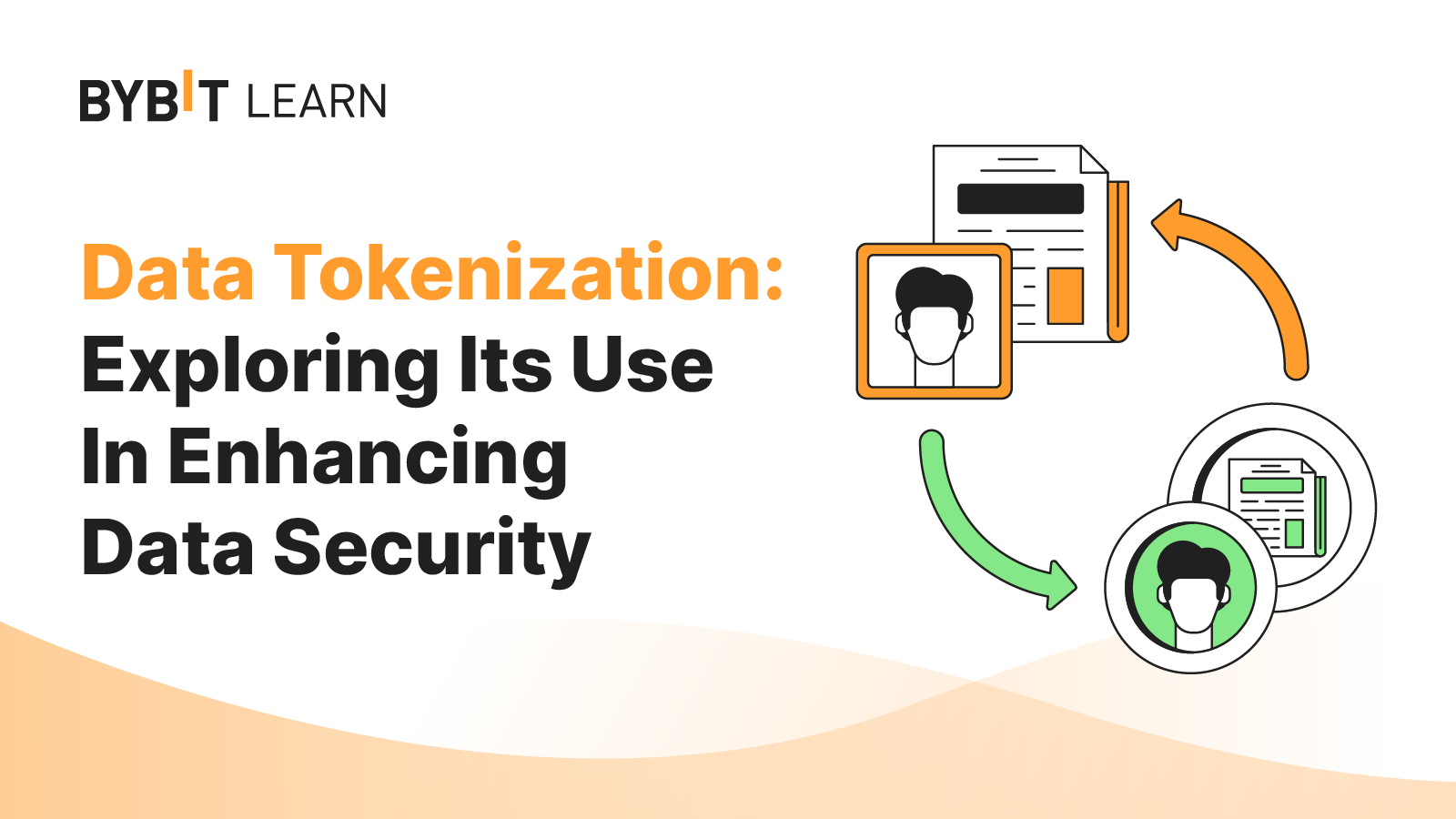
Data Tokenization: Exploring Its Use In Enhancing Data Security
Data tokenization is a type of security system that involves turning sensitive data into a randomized token. Find out more about how it works here.
How to Mine Litecoin: The Ultimate Guide to Litecoin Mining
Litecoin, one of the easiest crypto coins to mine, has a mining process similar to that of Bitcoin and other proof of work blockchains.

How to Avoid Impermanent Loss When Providing Liquidity in DeFi
An impermanent loss will only incur on paper and only becomes realized once it's withdrawn from the liquidity pool. Learn how it works.
Aleph Zero (AZERO): The L1 Privacy-Enhancing Blockchain
Aleph Zero is a Layer 1 blockchain technology that offers flexibility for developers to work in a secure, scalable environment. Learn more here.
Permissioned vs. Permissionless Blockchains: The Differences
What are the differences between a permissioned blockchain and a permissionless blockchain? Find out more in this article.
Learn to get up to 80 USDT prize
Master crypto concepts, trade and earn from your expertise.

Your crypto growth roadmap
View All
Explorer
Lv.0
Practitioner
Lv.1
Specialist
Lv.2
Strategist
Lv.3