Blockchain
Blockchain is the technology behind digital assets, enabling transactions and data to be recorded across decentralized networks. Learn how blockchain works, why it matters and how it supports cryptocurrencies, smart contracts and Web3 applications.
Total Articles
168
What Is a Merkle Tree & What Is Its Role in Blockchain?
A Merkle tree is a structure that is used to verify data integrity in a set. Find out how it works and its role in blockchain in this article.
What Is Nano Crypto: The Eco-Friendly Choice to Watch
Nano is a fast, energy-efficient digital currency designed to facilitate the near-instant transfer of funds in a frictionless, secure and trustless manner at zero fees
What Is Bitgert: Next Big Thing, or a Scam?
Bitgert (BRISE) is a crypto platform with almost zero gas fees and high transaction speeds of 100, 000 TPS, aiming to provide an affordable and highly scalable environment for DApps.
zkSync L3: Scaling Ethereum to the Next Level
zkSync, an Ethereum L2 scaling solution using ZK tech to provide lower gas and faster transactions, is launching a new L3 scaling solution. Read more here.

Hive Blockchain (HIVE): A Highly-Scalable DPoS Blockchain
Hive Blockchain is an advanced blockchain ecosystem that offers a fast processing speed with no transaction fees. Read more about it in this article.
Energy Web Token: Decarbonizing Crypto With Blockchain
The Energy Web Token is the native crypto of the Energy Web Chain, a green blockchain that is part of the Energy Web stack of eco-friendly technologies.
Neoxa Coin (NEOX): Mine And Earn Through Gaming
Neoxa is a blockchain that employs both proof of work (PoW) and proof of gaming (PoG) consensus. It uses KAWPOW mining algorithm that favors GPU miners, making it easy for gamers to mine.
Moonbeam: Beaming a New Path to Multi-Chain
Moonbeam is a smart contract DPoS parachain on the Polkadot network that has an Ethereum-compatible environment.
Evmos: The EVM-Compatible Cosmos Chain
Evmos (EVMOS) is a scalable application-agnostic and EVM-compatible blockchain network which uses the Cosmos SDK framework.
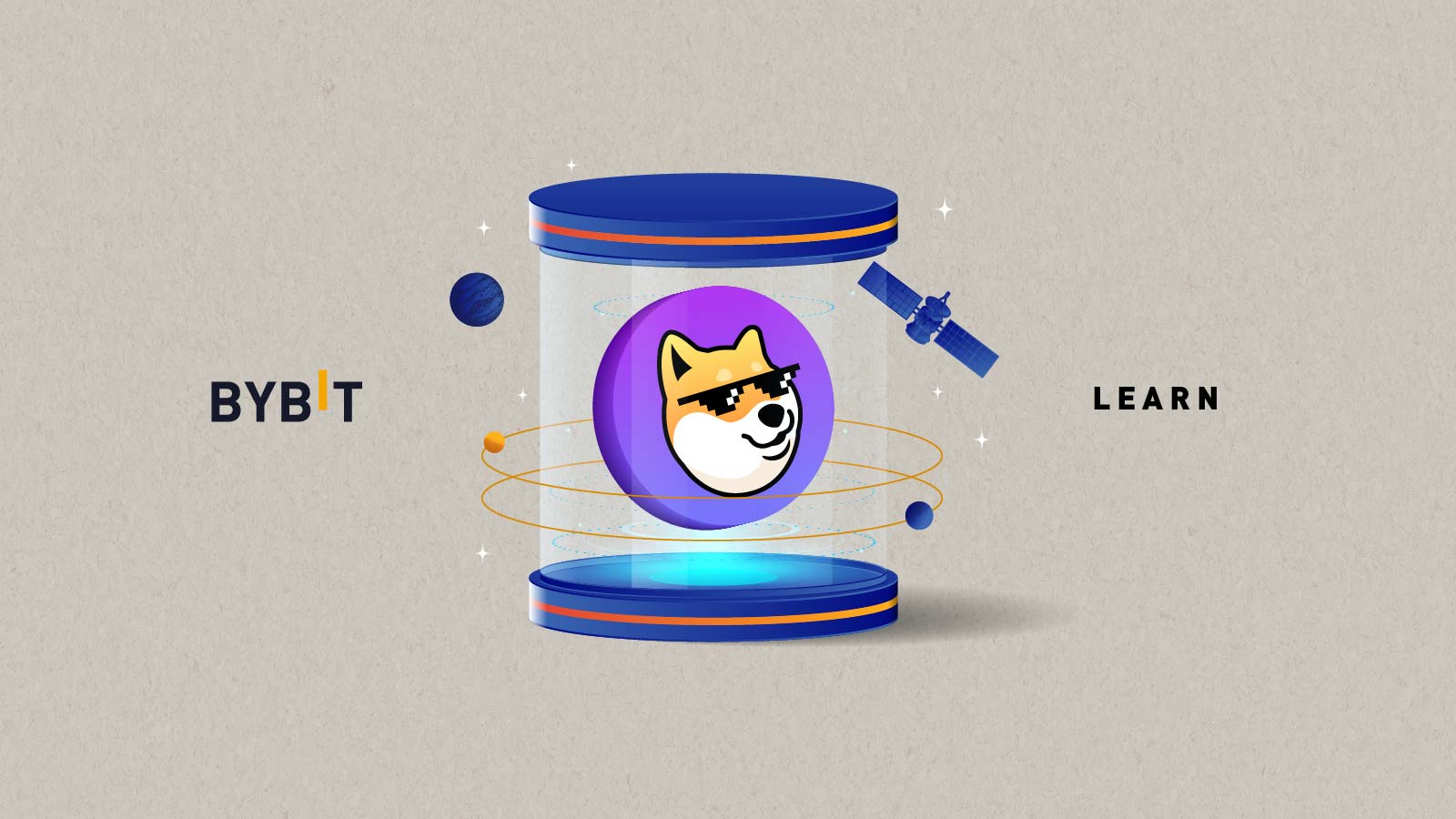
What Is Dogechain — And How Does It Relate to Dogecoin?
Dogechain is a recently launched Layer 2 network for popular meme coin Dogecoin. Find out how it works and how it relates to Dogecoin in this article.
Learn to get up to 80 USDT prize
Master crypto concepts, trade and earn from your expertise.

Your crypto growth roadmap
View All
Explorer
Lv.0
Practitioner
Lv.1
Specialist
Lv.2
Strategist
Lv.3