Blockchain
Blockchain is the technology behind digital assets, enabling transactions and data to be recorded across decentralized networks. Learn how blockchain works, why it matters and how it supports cryptocurrencies, smart contracts and Web3 applications.
Total Articles
168
Nakamoto Coefficient: An Accurate Indicator for Blockchain Decentralization?
Wonder how decentralized your favorite blockchain is? Make sure to use the Nakamoto coefficient as a way to gauge its degree of decentralization.
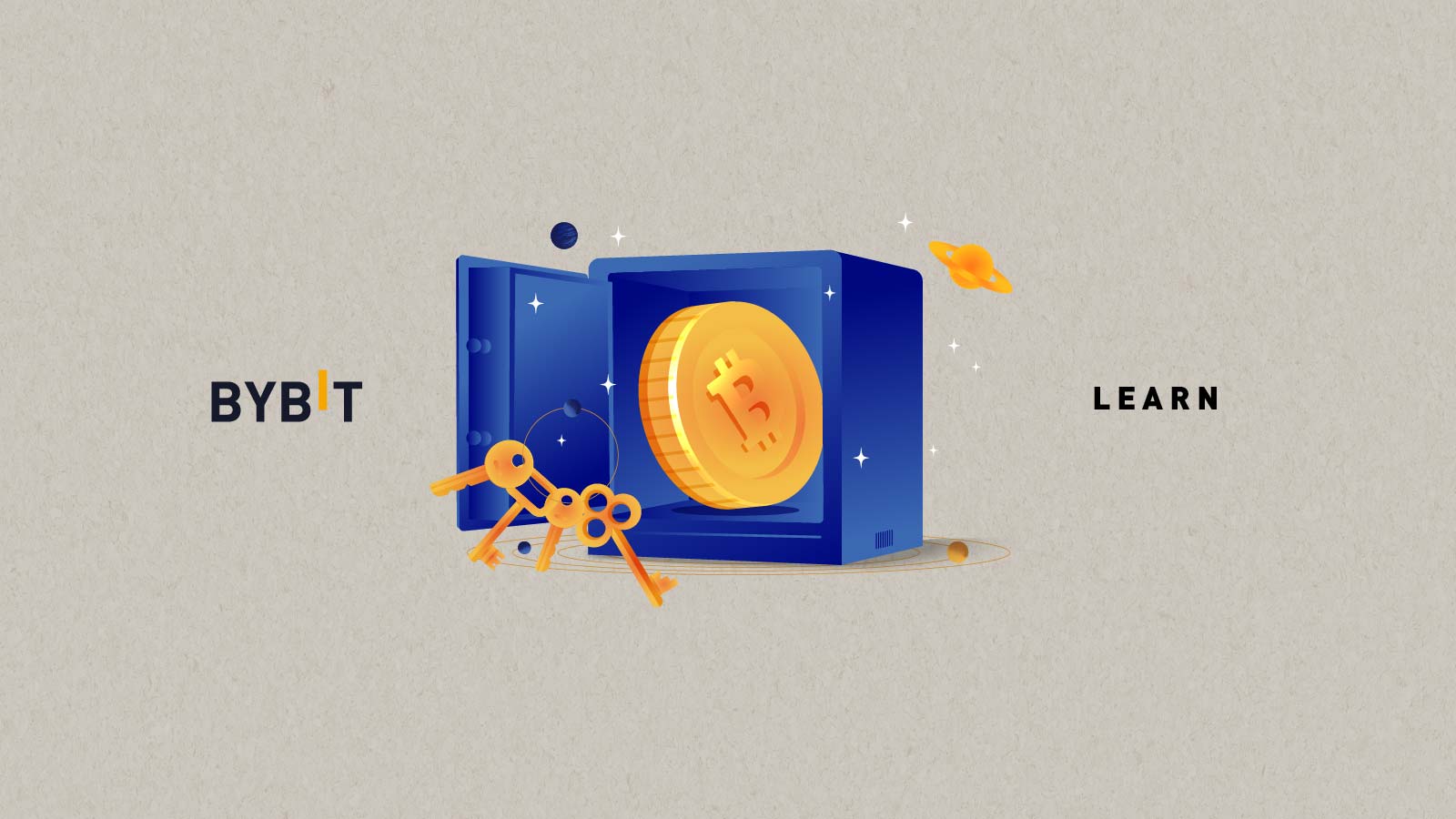
What Is a Multisig Wallet & How Does It Work?
If you're looking to securely store your cryptocurrency, you should definitely go for a multisig wallet. Find out what it is and how it works in this article.
Hedera Hashgraph: A Green Crypto to Watch
The Hedera Hashgraph network is a carbon-negative network that acts as a distributed ledger for transaction fees and payments.
How to Bridge Tokens with Polygon Bridge
Learn to use the two bridges in the Polygon Bridge to bridge tokens between the Polygon and Ethereum blockchains.
11 Fastest Cryptocurrencies With Blockchains Boasting High TPS
From Solana to Ripple, these fastest cryptocurrencies with exceedingly high TPS are going all out to prioritize scalability and speed above all else.
Pi Network: The New Bitcoin — Or a Scam?
The Pi Network is a decentralized network in which its currency is easily mined on smartphones, rather than energy-intensive ASICs or GPUs.
Things You Need to Know Before Getting a Helium Miner
Find out how much you can earn from Helium mining and how to set up a Helium miner to maximize your earnings.
Helium Crypto: Connecting Trustless and Private Data for All
Helium network is a peer-to-peer wireless network that connects low-power Internet of Things (IoT) devices via radio waves.
Corite (CO): A Musical Union of Artists and Fans
A large part of music fandom is about getting to know the people behind it. With Corite, you can now get up-close-and-personal with your favorite artists.
Melos Studio (MELOS): A Music Haven for All
Professional or novice, anyone can create music — for proof of this, look no further than Melos Studio, a music blockchain worth watching in 2022.
Learn to get up to 80 USDT prize
Master crypto concepts, trade and earn from your expertise.

Your crypto growth roadmap
View All
Explorer
Lv.0
Practitioner
Lv.1
Specialist
Lv.2
Strategist
Lv.3